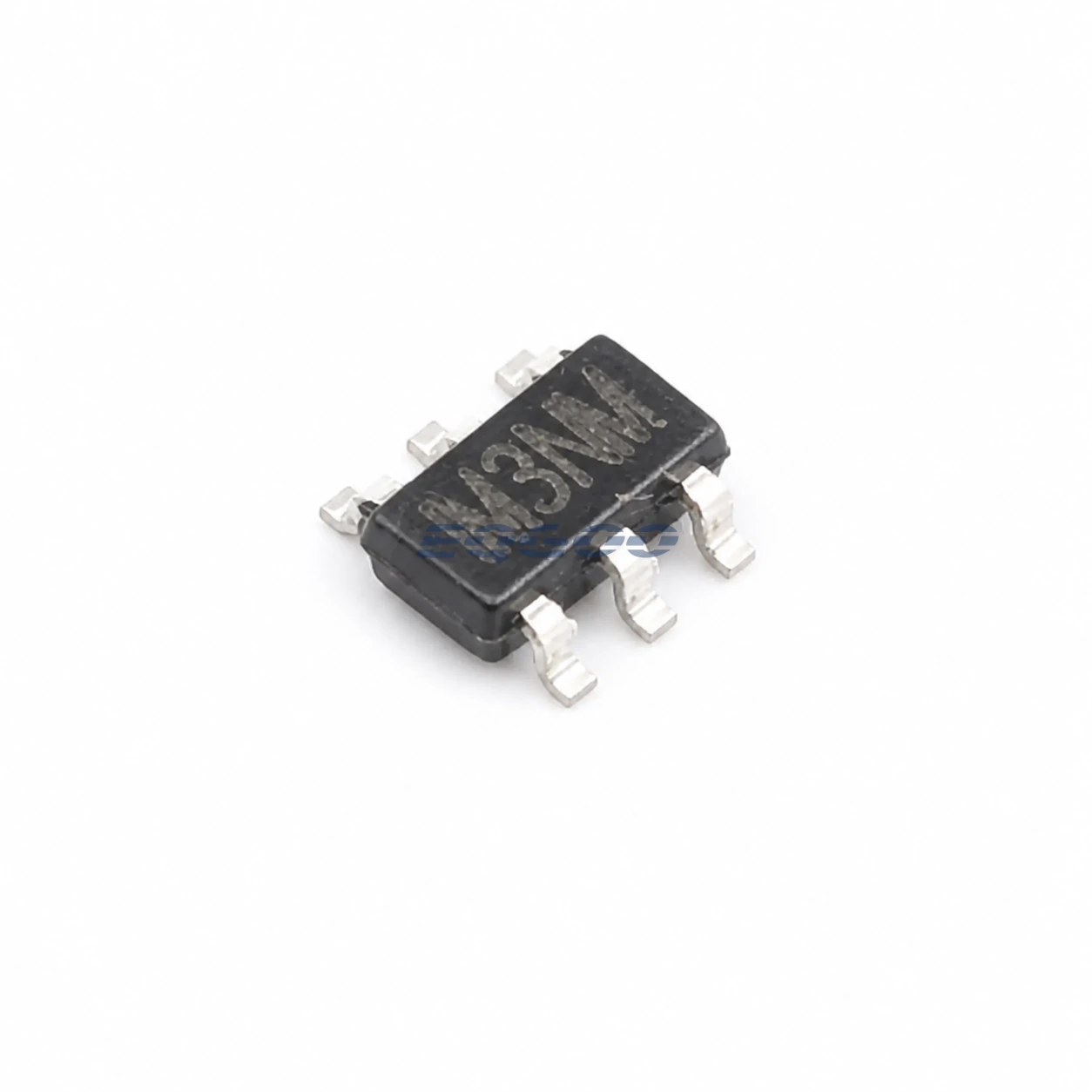
Device Overview
Designed as a single-cell linear Li-ion battery charger, MPS MP2603EJ-LF-Z uses the TSOT23-5 package. For substitution or design review, the strongest comparison points are Device Function (single-cell linear Li-ion battery charger), Recommended Input Voltage (4.75 to 5.25 V), Programmable Charge Current (50 to 150 mA).
Selection-Critical Data
| Parameter | Confirmed Data | Why It Matters |
|---|---|---|
| Device Function | single-cell linear Li-ion battery charger | Defines the device function or architecture that a compatible replacement must preserve before secondary ratings are compared. |
| Recommended Input Voltage | 4.75 to 5.25 V | Defines compatibility with the available system input rail and its operating range. |
| Programmable Charge Current | 50 to 150 mA (evaluation-board/device description) | Defines the current-handling or drive capability that must meet the load while respecting current-path and thermal limits. |
| Input Surge | 25 V | Defines transient input-voltage tolerance and therefore the margin against short-duration supply overshoot. |
| Battery Reverse Current | less than 1 uA | Defines the current-handling or drive capability that must meet the load while respecting current-path and thermal limits. |
| Exact Package | TSOT23-5 | Determines PCB footprint, pinout, mechanical assembly and orderable-variant compatibility. |
Power-Management Selection Notes
Device Function is single-cell linear Li-ion battery charger. Defines the device function or architecture that a compatible replacement must preserve before secondary ratings are compared. The recommended input voltage is 4.75 to 5.25 V; this defines compatibility with the available system input rail and its operating range. At 50 to 150 mA, the programmable charge current defines the current-handling or drive capability that must meet the load while respecting current-path and thermal limits. Technical condition: evaluation-board/device description.
Exact Package is TSOT23-5. Determines PCB footprint, pinout, mechanical assembly and orderable-variant compatibility.
At 25 V, the input surge defines transient input-voltage tolerance and therefore the margin against short-duration supply overshoot. less than 1 uA is the stated battery reverse current value. Defines the current-handling or drive capability that must meet the load while respecting current-path and thermal limits.