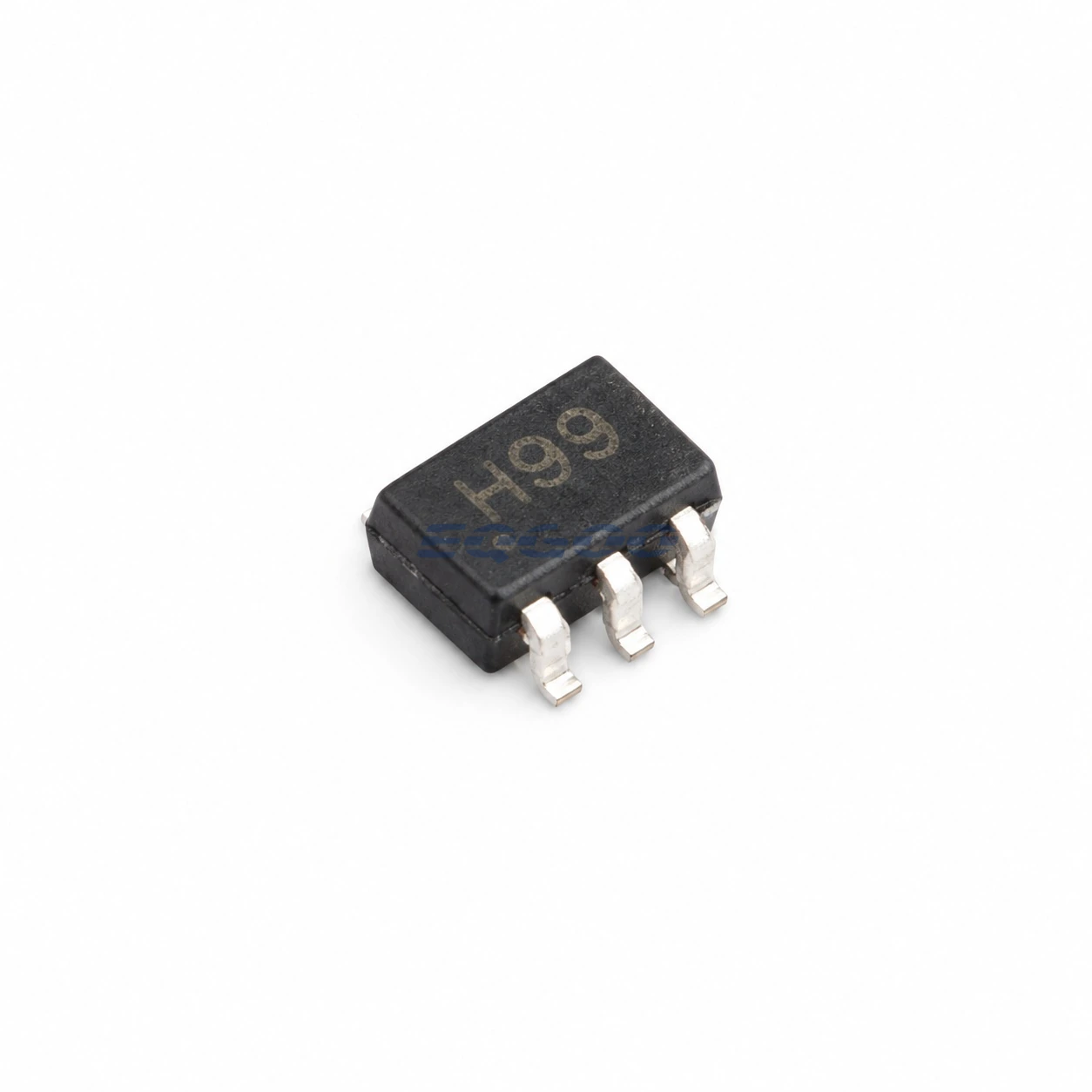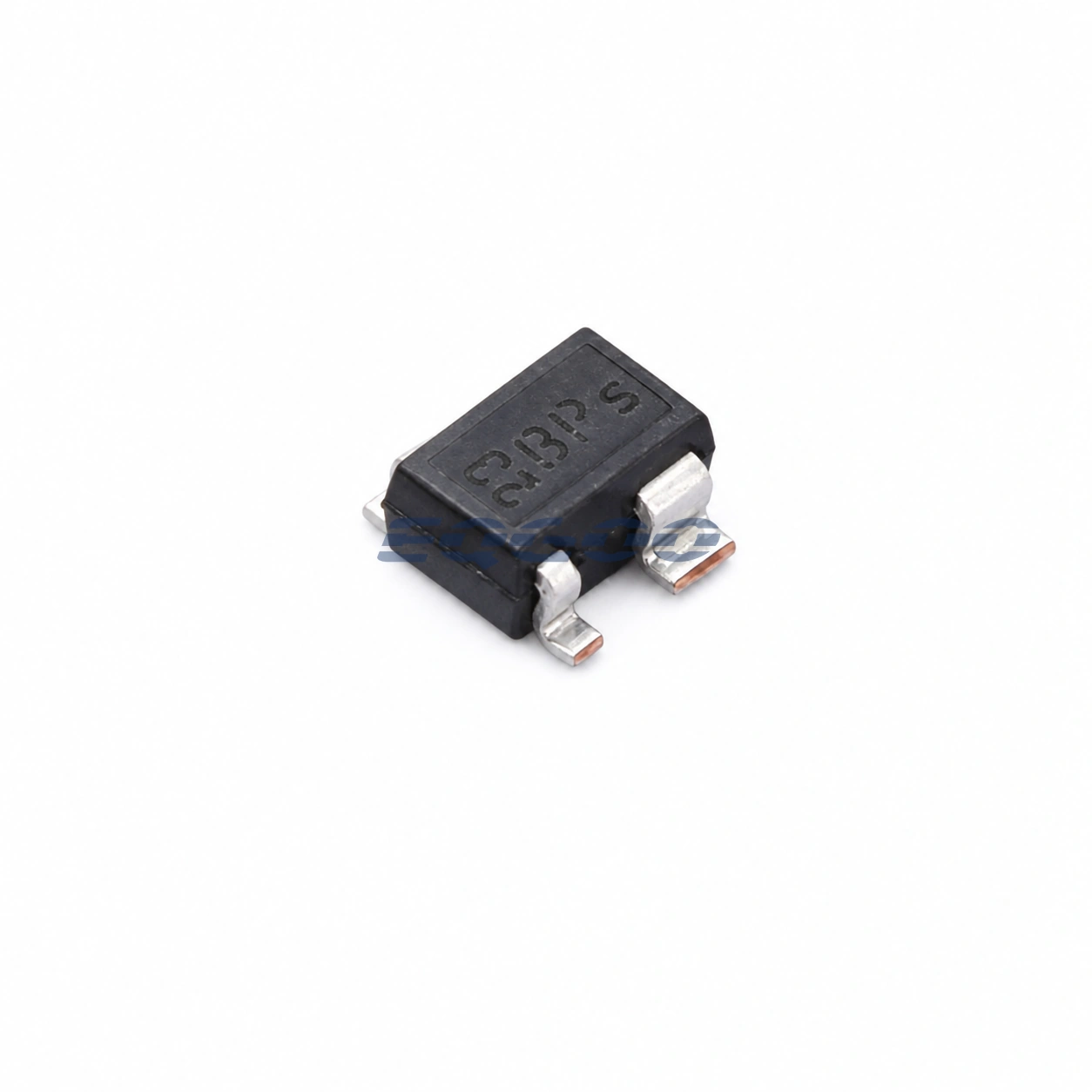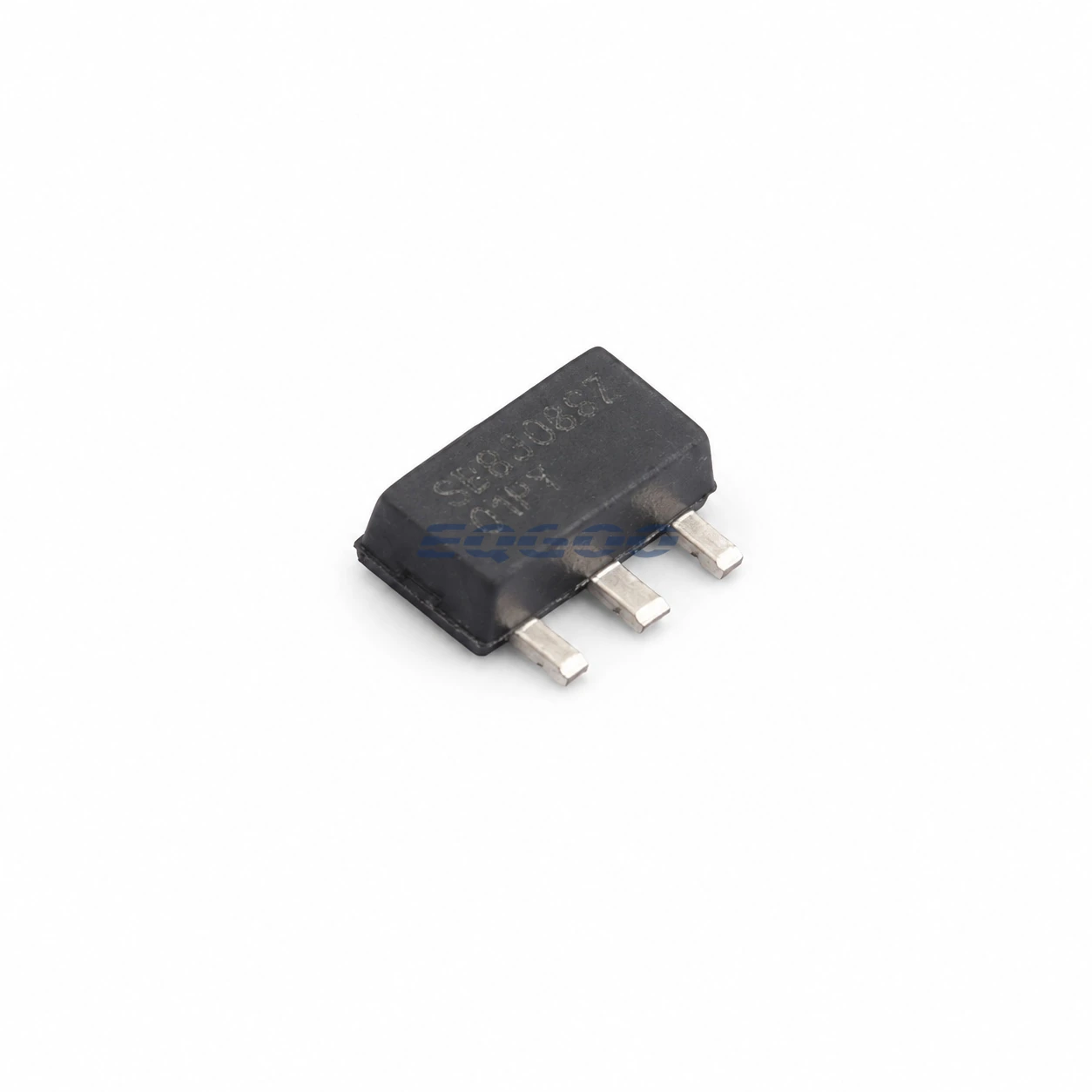
Device Overview
Designed as a RF amplifier, Qorvo SBB3089Z uses the SOT-89 package. Selection of this exact part is driven primarily by Frequency Range (50 to 6000 MHz), Gain (16.4 dB), Noise Figure (4.9 dB).
Selection-Critical Data
| Parameter | Confirmed Data | Why It Matters |
|---|---|---|
| Frequency Range | 50 to 6000 MHz | Defines the operating frequency or RF band that must cover the intended signal frequencies. |
| Gain | 16.4 dB (at 1950 MHz) | Sets the signal-level gain budget and must be compared at matching frequency, mode and bias conditions. |
| Noise Figure | 4.9 dB | Defines the device contribution to receiver noise and must be compared at matching frequency and bias conditions. |
| P1dB | +15.2 dBm (at 1950 MHz) | Defines output compression headroom and must be compared at matching frequency and bias conditions. |
| OIP3 | +29.5 dBm (at 1950 MHz) | Defines third-order linearity headroom and must be compared with matching tone, frequency and bias conditions. |
| Exact Package | SOT-89 | Determines PCB footprint, pinout, mechanical assembly and orderable-variant compatibility. |
| Rf Function | RF amplifier | Defines the device function or architecture that a compatible replacement must preserve before secondary ratings are compared. |
| Supply Current | 46 mA | Defines DC power and thermal burden on the bias or supply rail. |
| Impedance | 50 Ohm | Defines RF matching compatibility with the surrounding transmission-line and matching network. |
| Lifecycle / Procurement | Discontinued | Affects procurement continuity and the risk of selecting the part for a new design. |
| Supply Voltage | 5 V | Defines amplifier bias compatibility. |
RF Selection Notes
For frequency range, 50 to 6000 MHz is the approved value. Defines the operating frequency or RF band that must cover the intended signal frequencies. At RF amplifier, the rf function defines the device function or architecture that a compatible replacement must preserve before secondary ratings are compared.
At 16.4 dB, the gain sets the signal-level gain budget and must be compared at matching frequency, mode and bias conditions. Technical condition: at 1950 MHz. For noise figure, 4.9 dB is the approved value. Defines the device contribution to receiver noise and must be compared at matching frequency and bias conditions.
P1dB is +15.2 dBm. Defines output compression headroom and must be compared at matching frequency and bias conditions. Technical condition: at 1950 MHz. OIP3 is +29.5 dBm. Defines third-order linearity headroom and must be compared with matching tone, frequency and bias conditions. Technical condition: at 1950 MHz.
For supply current, 46 mA is the approved value. Defines DC power and thermal burden on the bias or supply rail. The impedance is 50 Ohm; this defines RF matching compatibility with the surrounding transmission-line and matching network.
The exact package is SOT-89; this determines PCB footprint, pinout, mechanical assembly and orderable-variant compatibility.
The lifecycle / procurement is Discontinued; this affects procurement continuity and the risk of selecting the part for a new design.
Engineering Resource
For a higher-gain option in Qorvo’s 50–6000 MHz SOT-89 gain-block range, review SBB5089Z against this SBB3089Z. Qorvo lists 20.1 dB gain and 20.4 dBm output P1dB for SBB5089Z, compared with 16.4 dB and 15.2 dBm for SBB3089Z under the respective stated test conditions. Recalculate bias, gain, compression headroom and stability before selecting another RF stage.