
Key Selection Information
| Item | Information |
|---|---|
| Manufacturer | WCH (Nanjing Qinheng Microelectronics) |
| Manufacturer Part Number | CH340G |
| Function | USB-to-UART / virtual COM port converter |
| USB Interface | USB full-speed device |
| Serial Channels | 1 |
| Driver Type | VCP |
| Maximum Peak Baud Rate | Up to 2 Mbps |
| Flow-Control Continuous Baud Rate | Up to 460800 bps |
| Logic / I/O Voltage | 5 V / 3.3 V modes |
| MODEM Signals | RTS, CTS, DTR, DSR, DCD, RI |
| Clock | External clock required for CH340G |
| Operating Temperature | -40 °C to +85 °C |
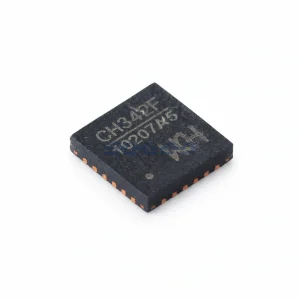
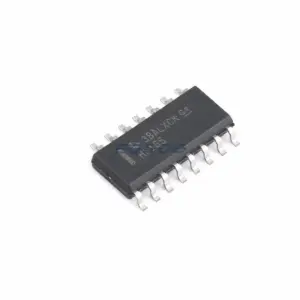
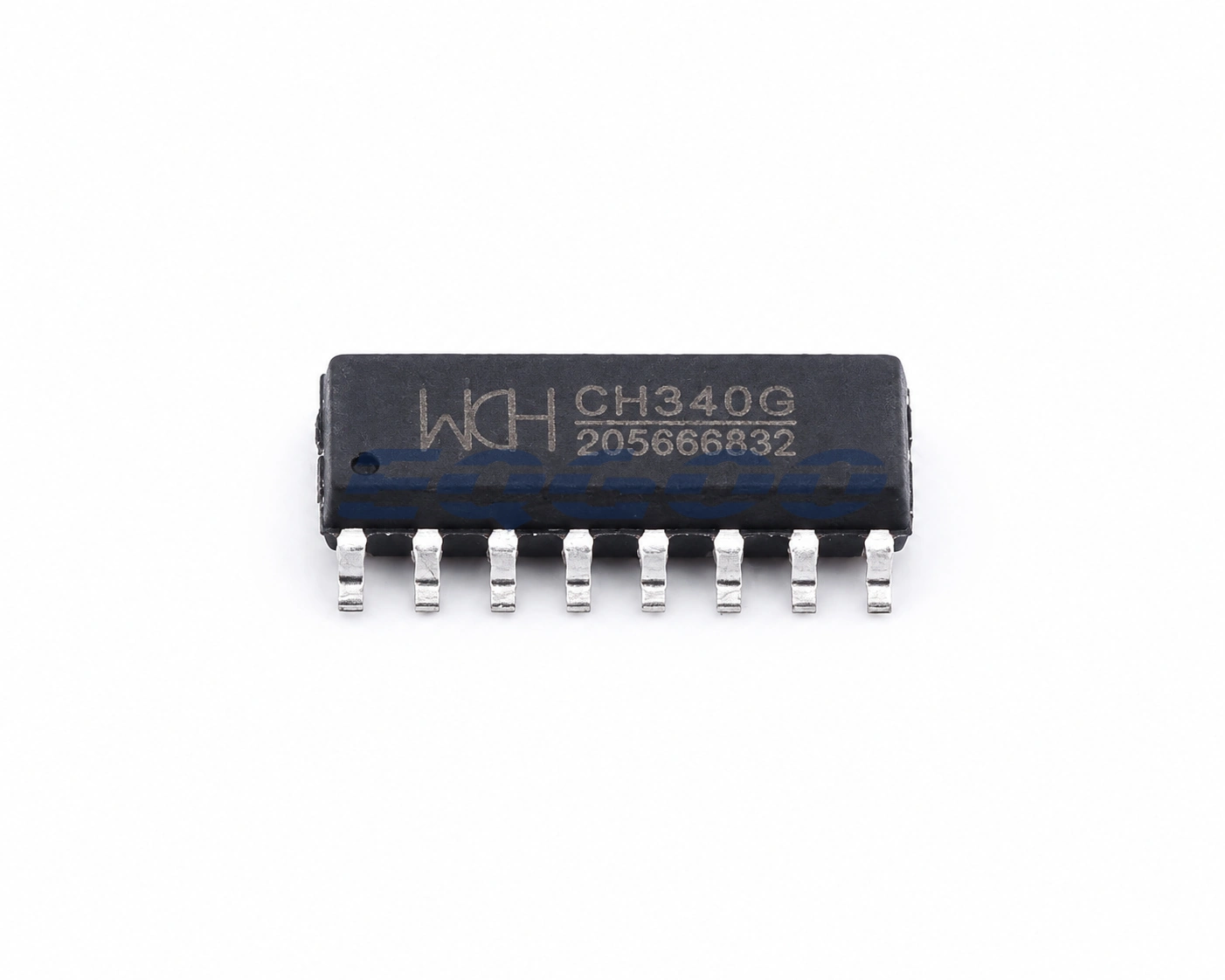
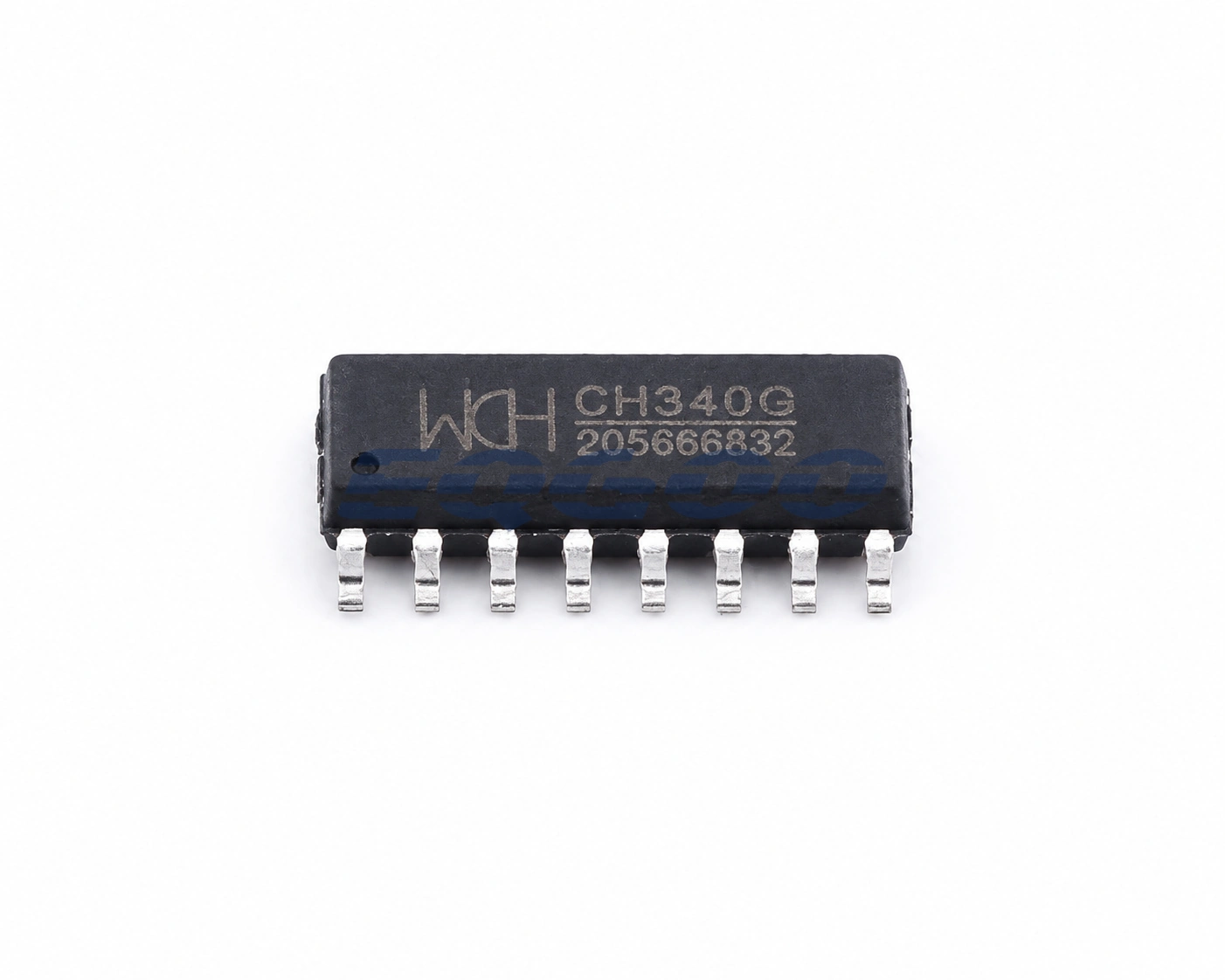
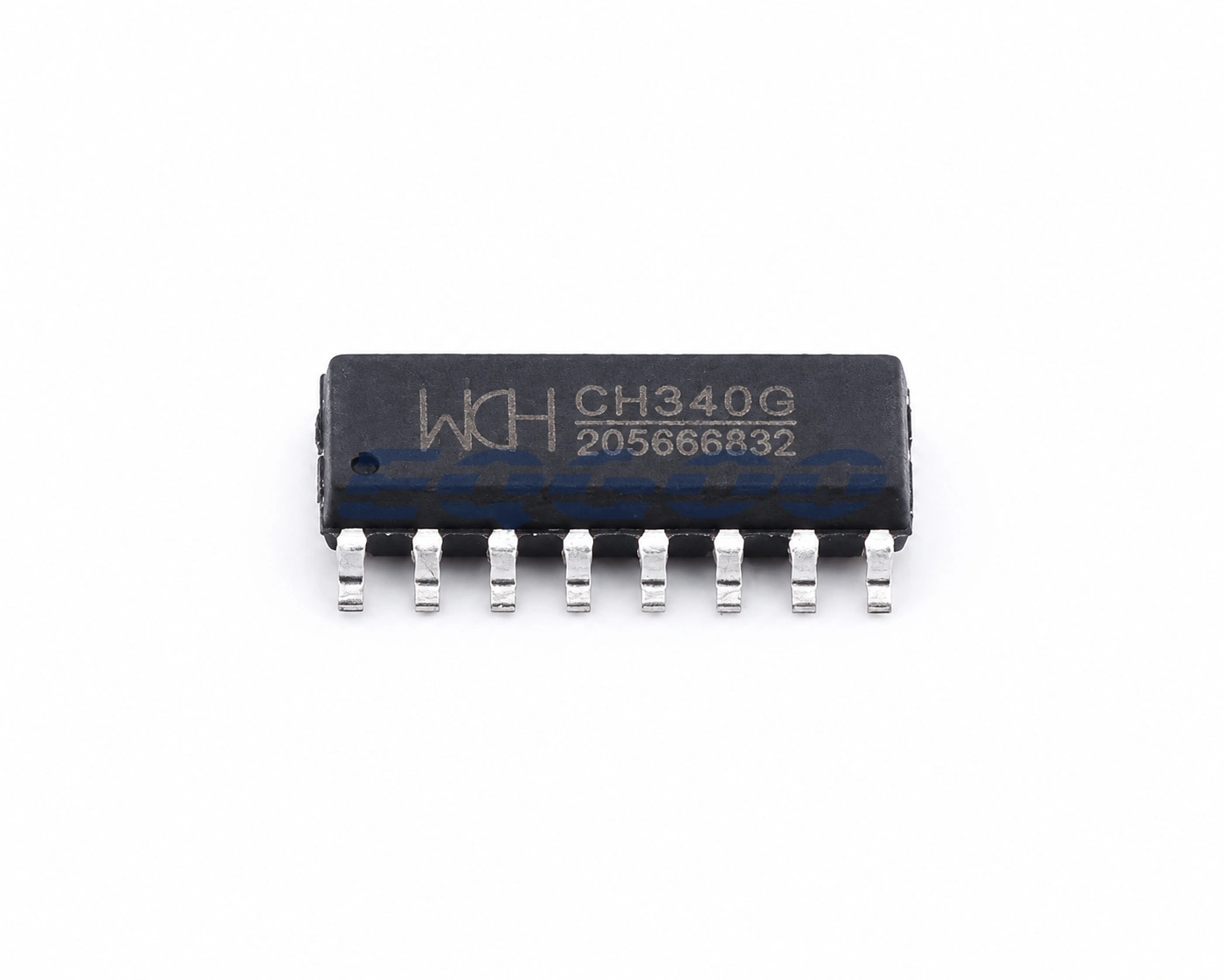
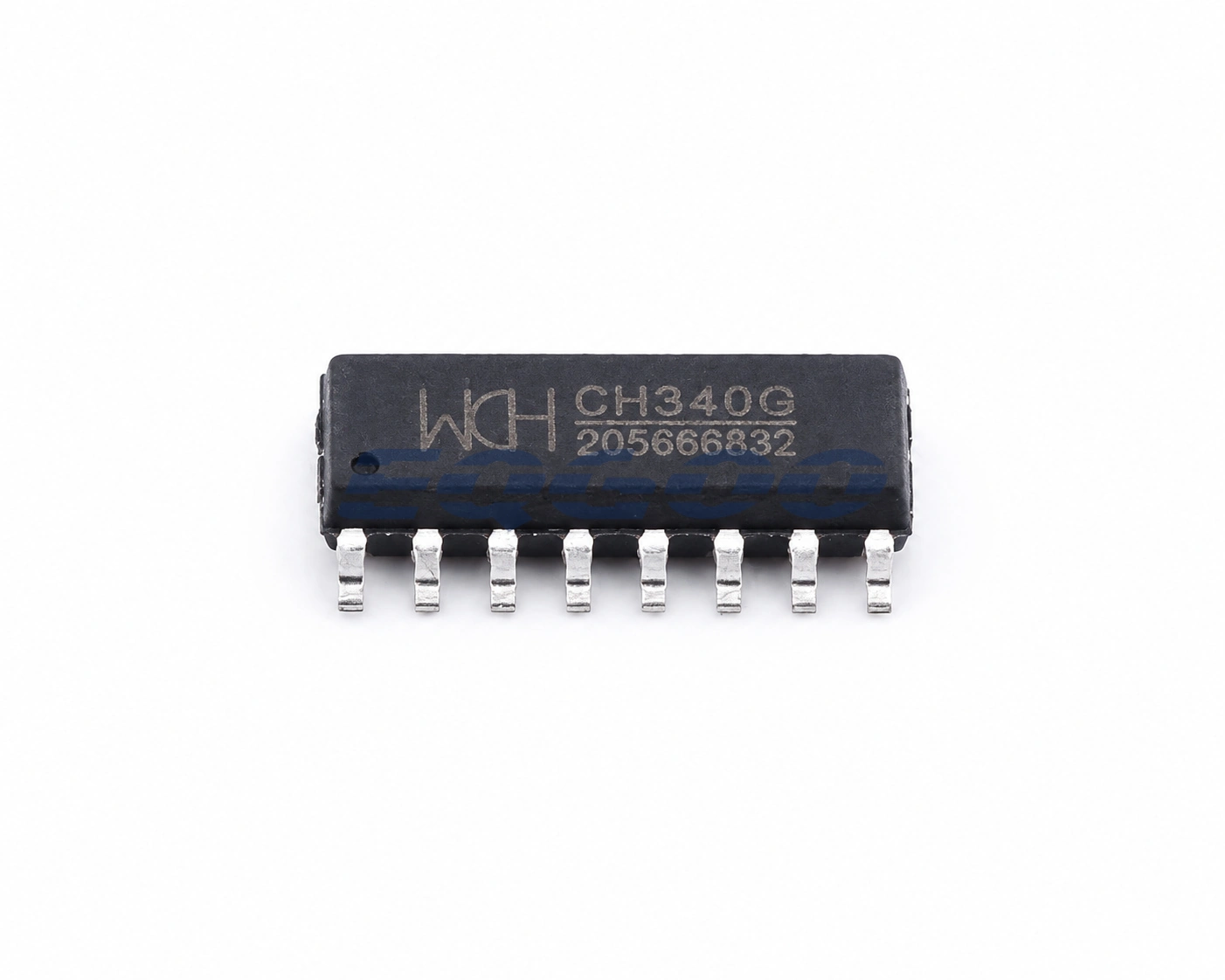
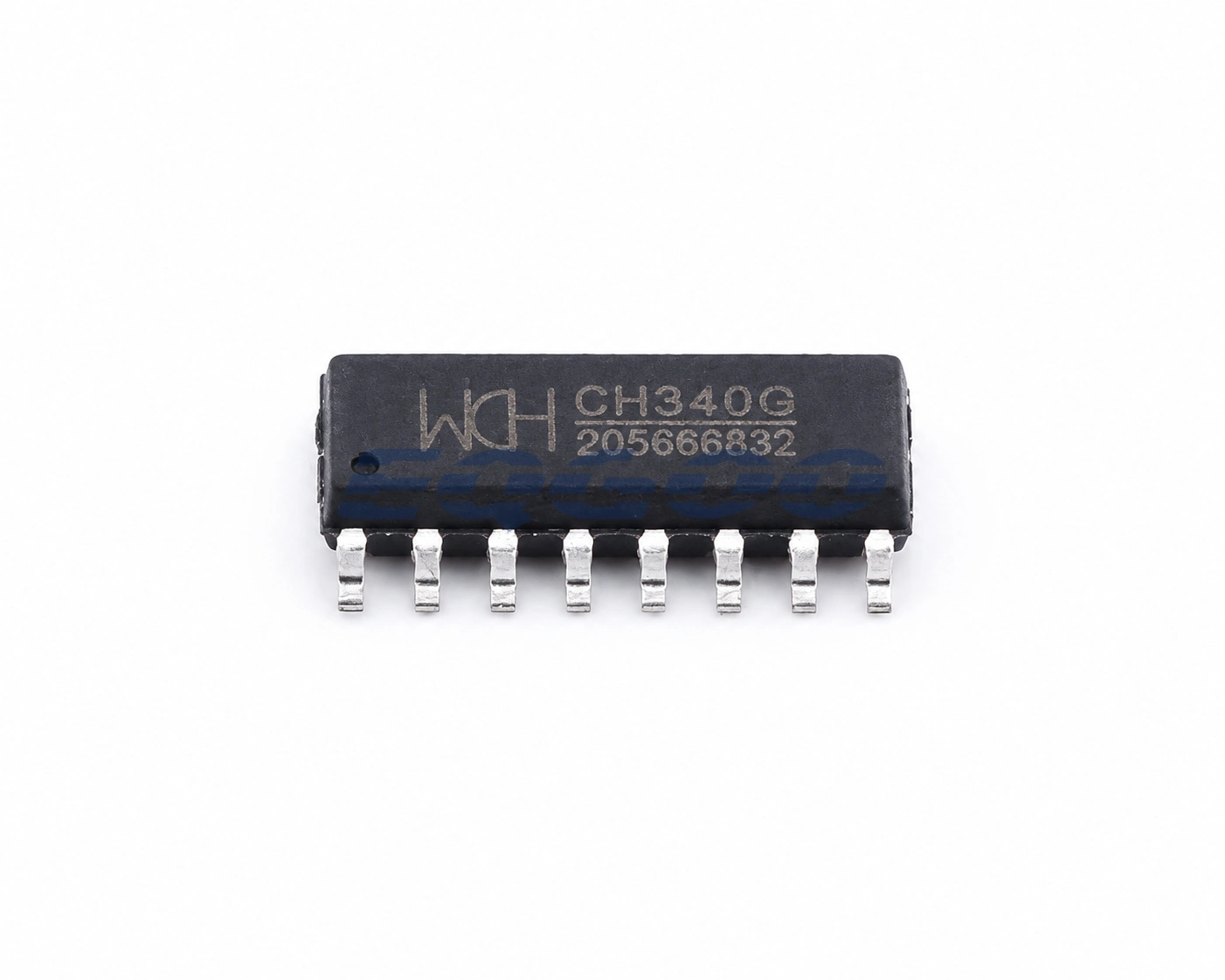
| Package | SOP-16 |
Product Overview
The WCH CH340G is a single-channel USB-to-serial converter intended to add a virtual COM-port interface to equipment that already communicates through an asynchronous UART. WCH lists the CH340G as a USB full-speed VCP device with a maximum peak serial rate of 2 Mbps and a continuous baud-rate figure of 460800 bps under flow-control operation.
The exact G variant is important during selection. WCH’s current USB-to-serial comparison table identifies CH340G as the SOP-16 member with an external clock, whereas several newer CH340 variants use built-in clocking. It also exposes the traditional MODEM control set — RTS, CTS, DTR, DSR, DCD, and RI — which makes it useful when a design needs more than TXD/RXD alone.
Key Features
- USB full-speed device interface with WCH virtual COM-port driver support.
- One asynchronous serial channel with up to 2 Mbps peak baud rate.
- Up to 460800 bps continuous baud rate in WCH’s flow-control comparison data.
- 5 V and 3.3 V logic / I/O operating modes.
- RTS, CTS, DTR, DSR, DCD, and RI MODEM signals on the CH340G variant.
- SOP-16 surface-mount package.
- -40 °C to +85 °C operating-temperature range listed by WCH for CH340G.
- External clocking on CH340G; do not assume the built-in-clock behavior of CH340C, CH340N, CH340E, or other family variants.
Technical Specifications
| Parameter | Value |
|---|---|
| USB Device Class / Driver Model | VCP |
| USB Speed | Full-speed |
| Serial Port Count | 1 |
| Maximum Peak Baud Rate | 2 Mbps |
| Continuous Baud Rate with Flow Control | 460800 bps |
| Hardware Flow Control | Not listed as supported in WCH’s CH340G comparison row |
| Automatic RS-485 Direction Control | Not listed as supported for CH340G |
| MODEM Control Signals | RTS / CTS / DTR / DSR / DCD / RI |
| I/O Voltage Modes | 5 V / 3.3 V |
| Clock Configuration | External |
| Operating Temperature | -40 °C to +85 °C |
| Package | SOP-16 |
Functional Highlights
USB-to-UART bridge without a separate protocol MCU
CH340G performs the USB device-side protocol work and presents the host connection as a virtual serial port. For equipment whose internal control path is already UART-based, this can avoid adding a second microcontroller solely to translate between USB and asynchronous serial data.
Full MODEM signal set on the G variant
The CH340G exposes RTS, CTS, DTR, DSR, DCD, and RI in addition to the primary serial data path. That matters in legacy serial equipment, modem-style control interfaces, and programming fixtures that use DTR or RTS for reset / boot-state control. Designs that need only TXD and RXD may be able to use a smaller CH340 family member, but those variants should be checked independently for pinout and clocking differences.
External clock is a real BOM and layout difference
WCH distinguishes CH340G from built-in-clock variants in its current product table. A board copied from a CH340C, CH340N, CH340E, or CH340X reference design must therefore not silently drop the external clock components when the installed device is CH340G.
Applications / Application Fit
- USB service or configuration ports — relevant where an embedded controller already has a UART and a PC-side virtual COM port is desired.
- USB-to-TTL serial adapters — the device can bridge a USB host connection to logic-level asynchronous serial signals, subject to correct voltage-domain design.
- Factory programming and debug interfaces — DTR and RTS can support reset or boot-control schemes when the target circuit is designed around those signals.
- Legacy serial equipment upgrades — equipment originally controlled over an asynchronous serial interface can gain USB connectivity without changing its primary serial protocol.
WCH also supplies current Windows, Linux, and macOS CH340/CH341 driver resources. Host operating-system support should still be checked against the intended deployment environment and driver policy.
Why Choose This Part
CH340G makes technical sense when a design specifically needs a low-complexity USB-to-UART bridge in SOP-16 and benefits from the broader MODEM-control signal set. It is also useful when an established CH340G footprint and driver ecosystem already exist in the product.
The exact G variant is less attractive when board area is extremely constrained or when avoiding an external clock is a primary requirement. In those cases, another CH340 family member may reduce external components, but it must be treated as a different exact MPN with its own pinout and feature set rather than assumed to be a drop-in substitute.
Design Considerations
Clocking: CH340G uses external clocking according to WCH’s current family comparison. Preserve the clock network required by the manufacturer’s reference design and do not reuse a built-in-clock variant schematic unchanged.
Voltage domains: WCH lists 5 V / 3.3 V I/O modes for CH340G. Confirm the exact VCC/V3 connection method and target-UART logic thresholds in the current CH340 datasheet before finalizing the schematic, especially when the target MCU is not 5 V tolerant.
Baud-rate expectations: WCH distinguishes the 2 Mbps peak figure from the 460800 bps continuous flow-control figure. System throughput should therefore be validated with the selected host driver, UART framing, USB traffic pattern, and target firmware rather than treating the peak value as a guaranteed continuous payload rate.
Flow control and RS-485: WCH’s current comparison row does not mark hardware flow control or automatic RS-485 control as supported for CH340G. If either function is a design requirement, select a family variant whose official row explicitly provides it or implement the required control externally.
USB implementation: Connector protection, ESD design, controlled routing, decoupling, and USB power architecture remain board-level responsibilities. The converter IC does not remove the need to design the USB interface according to the host/connector environment.
Related Engineering Resources
- WCH USB-to-serial product comparison — manufacturer comparison covering CH340G baud rate, signals, clock type, temperature range, and package.
- WCH CH340 product page — manufacturer product page for the CH340 family.
- WCH CH340/CH341 driver resources — current manufacturer Windows driver package with links to Linux, macOS, Android, and CH340 datasheet resources.
FAQ
Does CH340G have a built-in clock?
No. WCH’s current USB-to-serial comparison table lists the CH340G clock as external. Do not copy the clock section of a CH340C or other built-in-clock variant without checking the exact schematic requirements.
What is the maximum serial rate?
WCH lists a 2 Mbps maximum peak baud rate for CH340G and a 460800 bps flow-control continuous baud-rate figure. Real application throughput depends on framing, driver behavior, USB scheduling, and the connected UART device.
Which MODEM signals are available?
The CH340G comparison row lists RTS, CTS, DTR, DSR, DCD, and RI. These signals are useful for modem-style control and for target reset / boot-control circuits designed around DTR or RTS.
Is CH340G the same as CH340C or CH340N?
No. They belong to the same product family but differ in package, clock implementation, and available signals. Firmware/driver familiarity does not make the hardware variants interchangeable without pinout and schematic verification.
Does CH340G provide automatic RS-485 direction control?
WCH’s current CH340G comparison row does not mark automatic RS-485 control as supported. A design requiring automatic transceiver direction should use an explicitly supported variant or an external direction-control method.
Quality & Verification Support
Third-party inspection or testing can be arranged according to customer requirements. Testing fees are borne by the buyer. Additional verification requirements can be discussed before shipment. After an order is placed, physical product, label, packaging, and Date Code photos may be provided where appropriate.
Request a Quote
To request a quotation, provide the manufacturer part number, required quantity, destination, target Date Code if applicable, and any testing or inspection requirements.