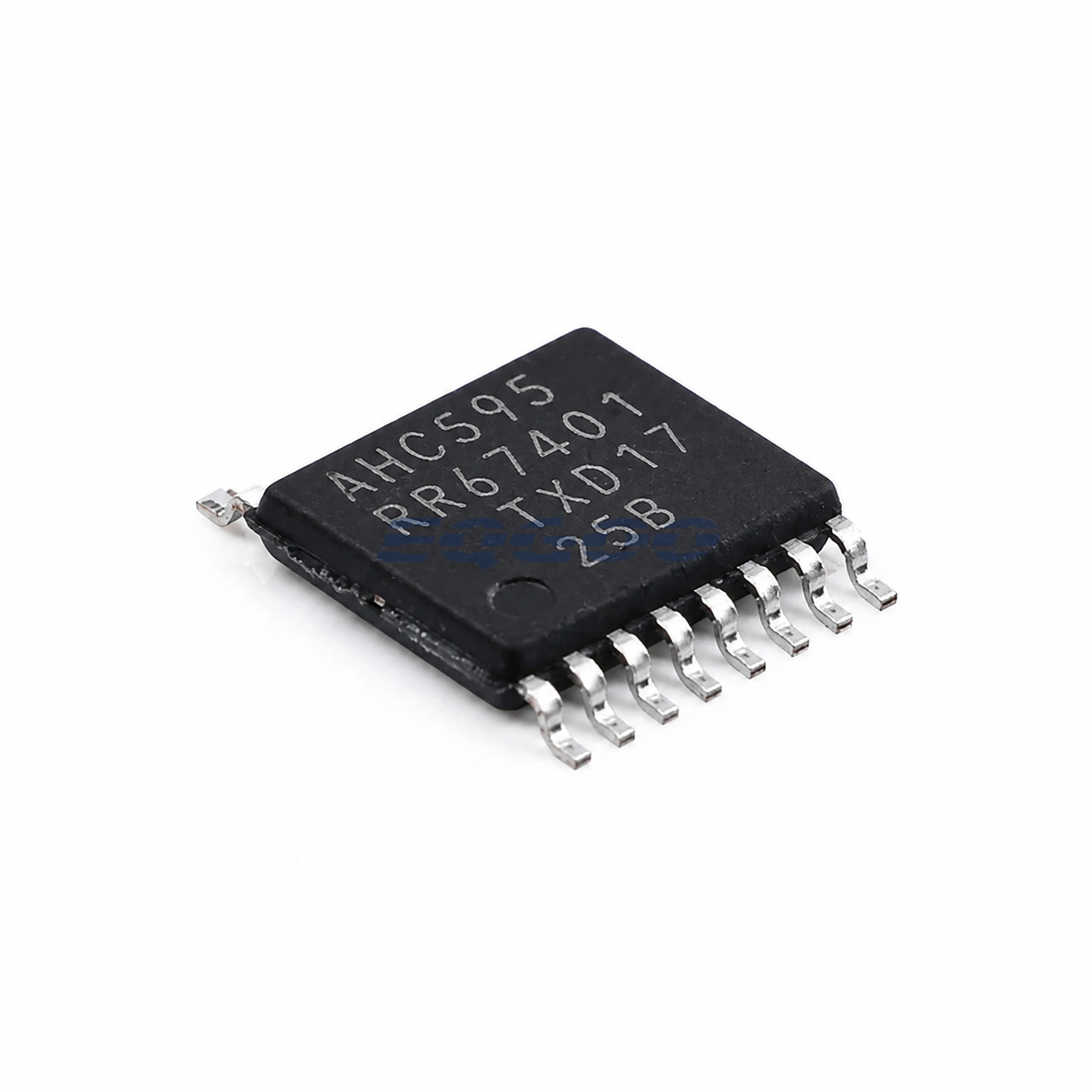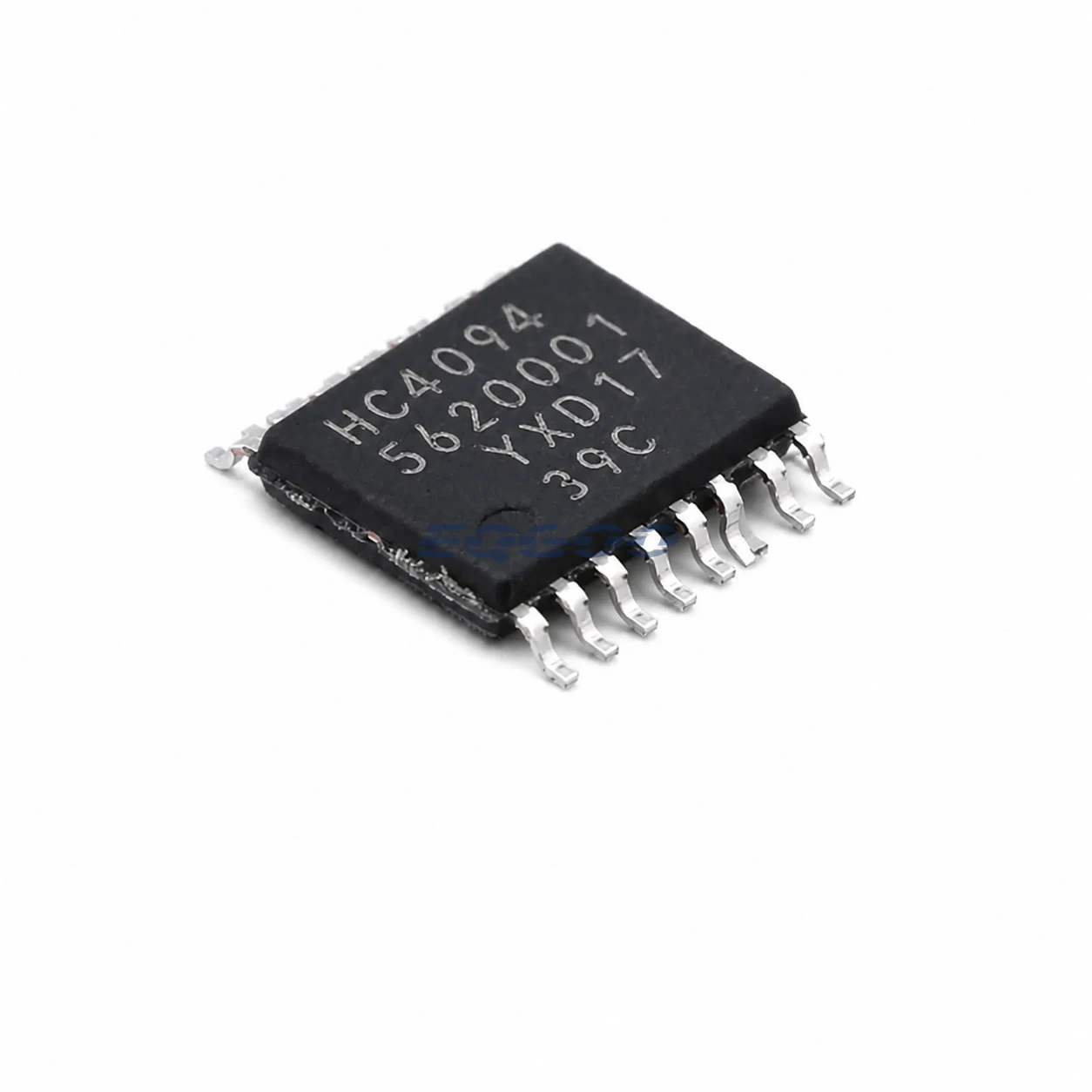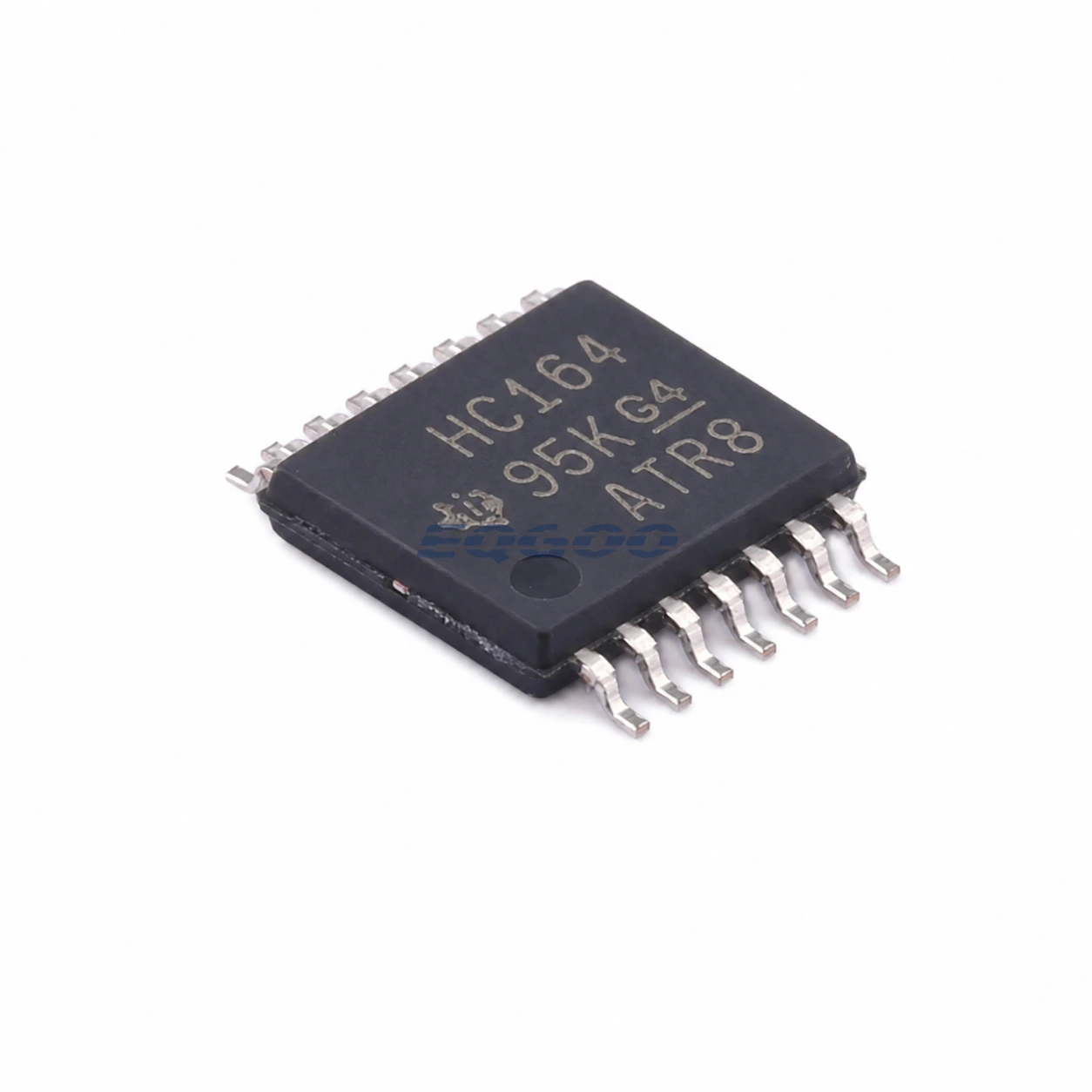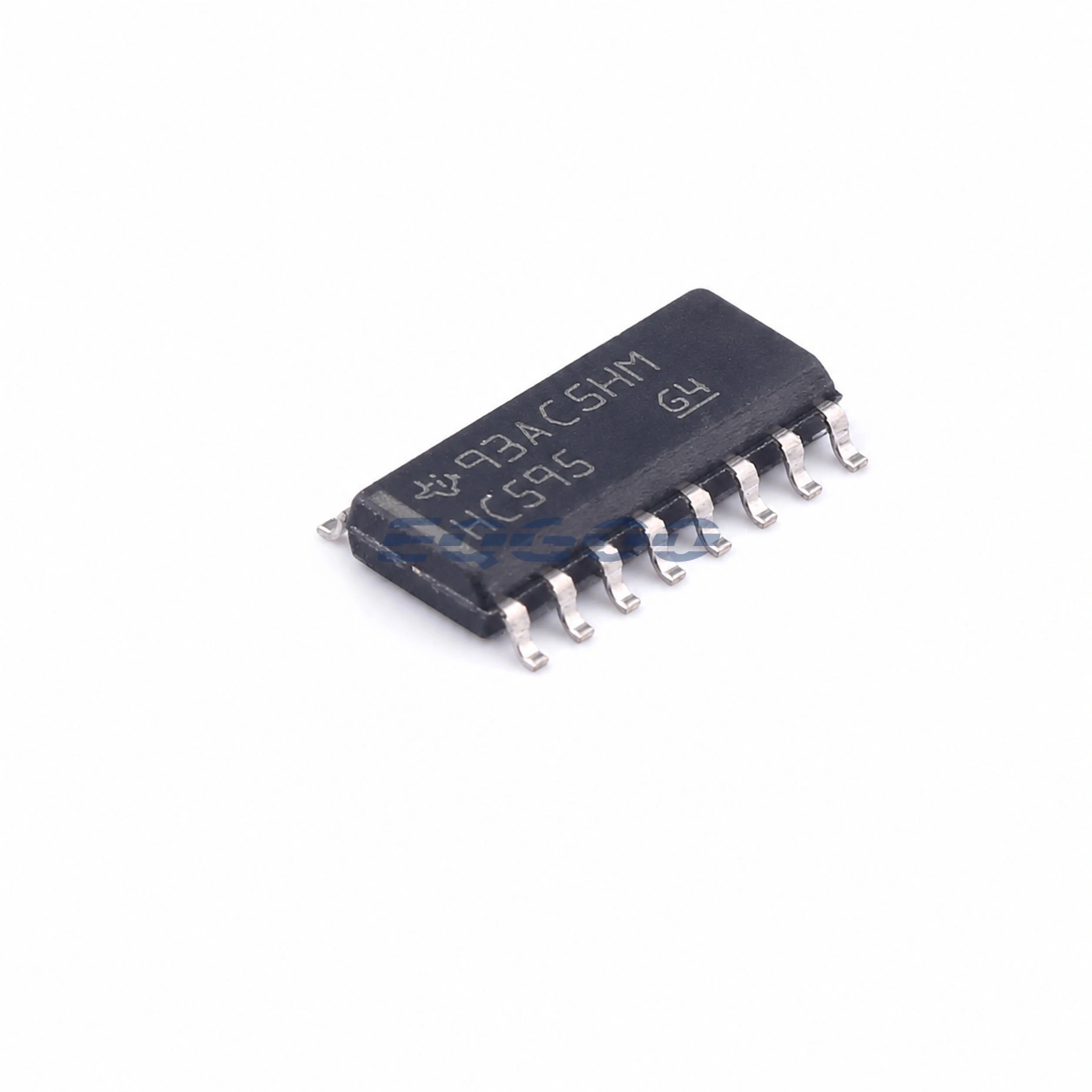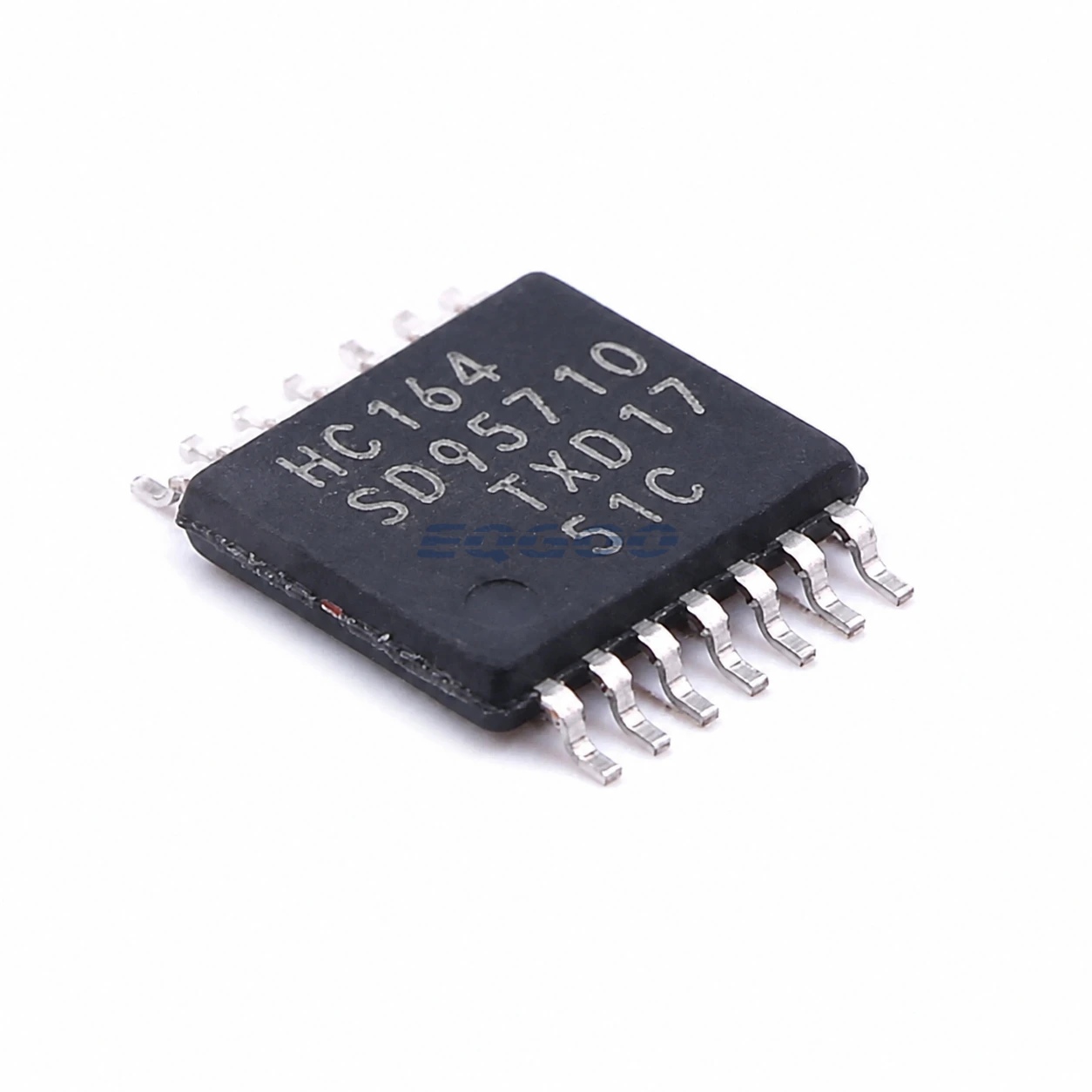
Device Overview
74HC164PW,118 is a Nexperia 8-bit serial-in parallel-out shift register in a TSSOP-14 package. For substitution or design review, the strongest comparison points are Device Function (8-bit serial-in parallel-out shift register), Supply Voltage (2.0 to 6.0 V), Bit Count (8).
Selection-Critical Data
| Parameter | Confirmed Data | Why It Matters |
|---|---|---|
| Device Function | 8-bit serial-in parallel-out shift register | Defines the device function or architecture that a compatible replacement must preserve before secondary ratings are compared. |
| Supply Voltage | 2.0 to 6.0 V | Defines compatibility with the available board power rail and required bias range. |
| Bit Count | 8 | Defines the parallel state/register width and therefore how many bits can be stored, shifted or controlled per device. |
| Serial Inputs | two gated serial data inputs | Defines the documented control or communication path that must remain compatible with the host and surrounding peripherals. |
| Exact Package | TSSOP-14 | Determines PCB footprint, pinout, mechanical assembly and orderable-variant compatibility. |
| Reset | asynchronous master reset | Defines a selection-critical engineering characteristic that a compatible substitute must preserve under the stated conditions. |
Logic and Interface Selection Notes
Device Function is 8-bit serial-in parallel-out shift register. Defines the device function or architecture that a compatible replacement must preserve before secondary ratings are compared.
For supply voltage, 2.0 to 6.0 V is the approved value. Defines compatibility with the available board power rail and required bias range.
The exact package is TSSOP-14; this determines PCB footprint, pinout, mechanical assembly and orderable-variant compatibility.
Bit Count is 8. Defines the parallel state/register width and therefore how many bits can be stored, shifted or controlled per device. For serial inputs, two gated serial data inputs is the approved value. Defines the documented control or communication path that must remain compatible with the host and surrounding peripherals.
The reset is asynchronous master reset; this defines a selection-critical engineering characteristic that a compatible substitute must preserve under the stated conditions.